Before the Breakout: Why the Songs Nobody Heard Shaped Everything You Are
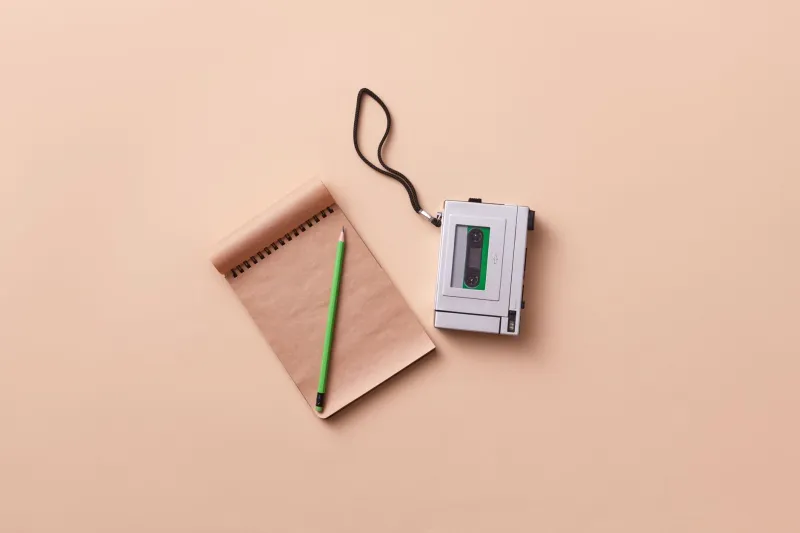
There's a cassette tape sitting in a shoebox somewhere — or maybe it's a folder buried deep in an old laptop — that holds the first song you ever really finished. It's probably a little rough. The tempo might wander. The lyrics are earnest in a way that makes you cringe a little now. But here's the thing: that song knew something about you that your catalog of polished releases might not.
We tend to measure an artist's story by their breakout moment. The single that got picked up, the album that landed on a playlist, the show that finally drew a real crowd. But the songs that came before all of that? Those are the ones doing the quiet, foundational work.
The Unguarded Moment
When you're just starting out, you don't have a brand to protect. You don't have a sound to stay consistent with. You don't have a publicist asking you to lean into what's working. You just have a feeling and a way of trying to get it out.
That lack of armor is actually a superpower.
Early creative work — whether it's a bedroom recording, a sketchbook full of chord progressions, or a voice memo you texted yourself at 2 a.m. — tends to be emotionally direct in a way that's genuinely hard to replicate once you've got more at stake. You weren't second-guessing the verse structure because you'd never read a think-piece about verse structure. You were just writing what was true.
A lot of working musicians will tell you privately that their early demos still hit them differently than the produced versions. Not because the production is better — it almost certainly isn't — but because the intention is so clear. There's no filler. There's no compromise. It's just the idea, raw and breathing.
The Technical Foundation You Forgot You Built
Beyond the emotional honesty, those early projects were also where you figured out the actual mechanics of making things. You learned how to finish a song even when it felt wrong in the middle. You learned what you reach for instinctively when you sit down to write — a specific chord, a tempo range, a subject matter that keeps pulling you back.
Those instincts? They didn't come from your most successful record. They came from years of fumbling around before anyone was paying attention.
This matters because creative identity isn't built from the top down. It grows from the ground up. The habits, the tendencies, the weird little quirks that make your sound yours — those were formed in the early sessions, not the late ones. When listeners say they can always tell it's you on a track, they're responding to something that predates your breakout by years.
Going back to study those early recordings — really study them, not just cringe at them — can reveal patterns you stopped noticing because they became invisible through familiarity. What key do you default to? What kind of lyric structure do you reach for when you're not overthinking it? What emotional territory do you keep circling back to?
That's the map of you.
When Commercial Pressure Blurs the Picture
Here's where it gets complicated. Once you've had a hit — or even just a moment of recognition — the pressure to replicate it is real and relentless. Streaming platforms reward consistency. Labels want the next version of the last thing. Even your own audience can inadvertently box you in by loving one particular era of your work more than anything else you've done.
Over time, that pressure accumulates. You start writing toward an expectation rather than toward a feeling. The songs get technically proficient but somehow less alive. You know the craft cold, but the spark feels harder to locate.
This is the moment — and a lot of artists know exactly what it feels like — when going back to the beginning isn't nostalgia. It's navigation.
There's a reason so many artists talk about "stripping things back" when they feel creatively stuck. It's not just an aesthetic choice. It's a return to the conditions under which they were most honest. Fewer instruments. Less production. Less expectation. More of whatever they were reaching for before they knew what they were doing.
What Returning to the Roots Actually Looks Like
This doesn't have to mean releasing an acoustic album or going back to your hometown for a writing retreat (though hey, no judgment if that's what it takes). It can be as simple as pulling up those old files and listening without trying to fix anything.
Ask yourself: what was I trying to say here? Did I ever finish saying it? Is there something in this rough, unpolished version that got smoothed away in later work?
Some artists keep a running journal of their early influences and reference it when they feel creatively dry. Others make a point of occasionally recording a demo the way they used to — just a phone, just a guitar, just a voice — before layering anything on top. The goal isn't to sound old-fashioned. It's to reconnect with the version of yourself who made things because they needed to, not because they were supposed to.
There's also something worth sitting with here: those early songs didn't need to be heard by thousands of people to matter. They mattered to you at the time. They helped you survive something, or understand something, or get through a Tuesday in November when everything felt heavy. That's not a small thing. That's actually the whole point.
The Song That Started Everything
Every artist has one — the song, or the recording, or the creative project that was the first one that felt real. Not necessarily the best thing they ever made. Not the most technically impressive. Just the first one that felt like it came from somewhere genuine.
That piece of work is still in there, informing everything. It's in the way you approach a blank page. It's in the chord that always feels like home. It's in the specific kind of story you can't stop telling, no matter how many different ways you dress it up.
The breakout hit gets the press. It gets the streams and the sync placements and the stories told at industry panels. But the first love song — the one nobody heard, the one that was just for you and maybe one other person — that's the one that made you a writer.
Don't let it collect dust. Go back and listen. You might be surprised what it still has to say.