Lost Tracks, Found Gold: How to Dig Through Your Digital Past and Build Something New
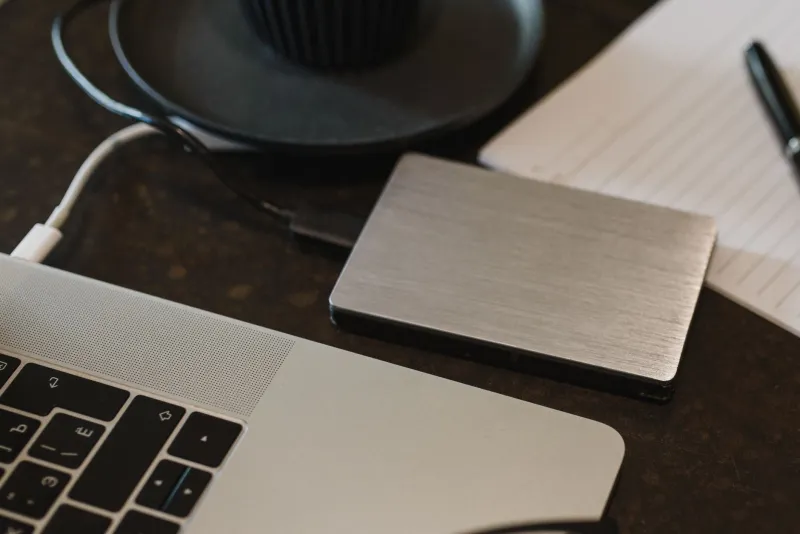
There's a specific kind of dread that comes with plugging in an old external hard drive. The spinning noise, the slow mount time, the flood of folders named things like "NEW FINAL v3" and "misc_recordings_2017." It's a mess. It's also, potentially, a goldmine.
If you've been making music, art, or any kind of creative work for more than a few years, you've got an archive. Maybe you don't think of it that way — it's just stuff you never finished, ideas that stalled out, tracks you abandoned because life got in the way. But those files are a record of who you were creatively at a specific moment in time, and that context has value. Real, tangible, releasable value.
So let's talk about how to actually dig through it.
Start With the Chaos, Not the Curation
The instinct when you open an old folder is to immediately judge everything in it. You listen to three seconds of something, cringe, and move on. Resist that. The first pass through your archive shouldn't be about quality — it should be about inventory.
Create a simple spreadsheet (or even a notes app list) and just document what exists. File name, approximate date if you can tell, rough format (demo, full arrangement, voice memo, etc.), and one or two words about the vibe. That's it. No deleting, no editing, no "this is trash" decisions yet. You're an archaeologist right now, not a critic.
This matters because your taste in the moment of excavation is not a reliable guide. What sounds rough or embarrassing today might be exactly the raw, honest thing that connects with people. And sometimes a weird experiment from 2016 is the skeleton of something genuinely great — you just couldn't hear it then because you were too close to it.
The Three-Pile Method
Once you've got your inventory, it's time to sort. Think of it like cleaning out a storage unit: keep, donate, toss. For creative archives, the categories look more like this:
Worth Finishing — These are the pieces that have a strong core idea. Maybe the hook is undeniable even through the rough recording quality. Maybe the chord progression hits in a way that still surprises you. These go in your active queue.
Worth Revisiting — Not quite ready to commit to finishing, but there's something there. A lyric fragment, a sound design moment, a melody that could become something else entirely. These are your inspiration files.
Let It Rest — Not everything needs to be resurrected. Some things were experiments that served their purpose in the moment. Keeping them doesn't mean releasing them. Archive them somewhere organized and move on without guilt.
The goal here isn't to release everything you've ever made. It's to find the signal in the noise.
Dating Your Work Changes How You Hear It
One underrated trick: try to figure out roughly when something was made, then think about what was going on in your life at that point. Not in a nostalgia spiral way — more like providing context for what you're hearing.
A demo recorded during a hard stretch of your life carries a different emotional weight than something you made while you were on top of the world. That context can inform how you complete it, how you talk about it when you release it, and how you sequence it alongside newer work.
Some of the most compelling releases in recent years have been artists putting out archival material with liner notes or social content that explains the story behind it. People love the behind-the-scenes. They love knowing a song that sounds polished and intentional actually started as a voice memo in a car. That narrative is part of what makes the work land.
Finishing Old Work Is a Different Skill Than Starting Fresh
Here's something nobody really tells you: completing an old demo requires a different creative headspace than writing something new. You're not building from scratch — you're in conversation with a past version of yourself. That can feel strange, even uncomfortable.
A few things that help:
- Don't try to modernize everything. If something was made with a specific sound palette, lean into it rather than slapping current production trends on top. The datedness can be part of its charm.
- Finish the idea, not the original vision. You might not remember what you originally intended. That's fine. What does this piece want to be now? Follow that.
- Set a time constraint. Give yourself a session or two to complete something. Endless tinkering is how old demos stay old demos forever.
Some artists find it helpful to bring in a collaborator for this stage — someone who can hear the rough version with fresh ears and help push it across the finish line without being precious about the original.
Turning Scattered Files Into a Cohesive Release
So you've done the excavation, sorted the piles, and finished a handful of pieces. Now what?
The temptation is to release things one at a time as you complete them. And honestly, that can work — especially if you're building an audience that's following your creative process in real time. But there's also a strong case for batching archival work into a more intentional release.
A collection of older material reframed as an archival EP or a "vault sessions" release gives listeners a way to understand and appreciate the work as a body rather than as random drops. It tells a story. It positions you as an artist with depth and history, not just someone chasing the algorithm.
Think about how you'd title it, sequence it, and talk about it. The framing matters as much as the music itself.
The Permission You've Been Waiting For
If you've been sitting on years of unfinished work because it doesn't feel ready, or because you're not sure it's good enough, consider this your nudge. The work doesn't have to be perfect to be worth sharing. It just has to be honest.
Your archive is a record of every creative risk you took, every idea you chased, every late night you spent making something just because you needed to make it. There's an audience for that — people who are hungry for music and art that feels real, that has texture and history and a little bit of dust on it.
Go plug in that old hard drive. See what's waiting for you.