The Cracks Are Where the Light Gets In: A Case for Making Imperfect Art
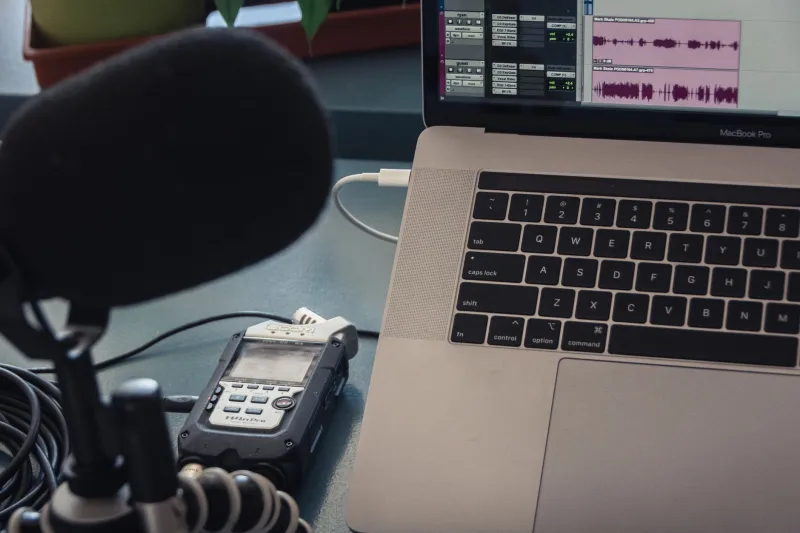
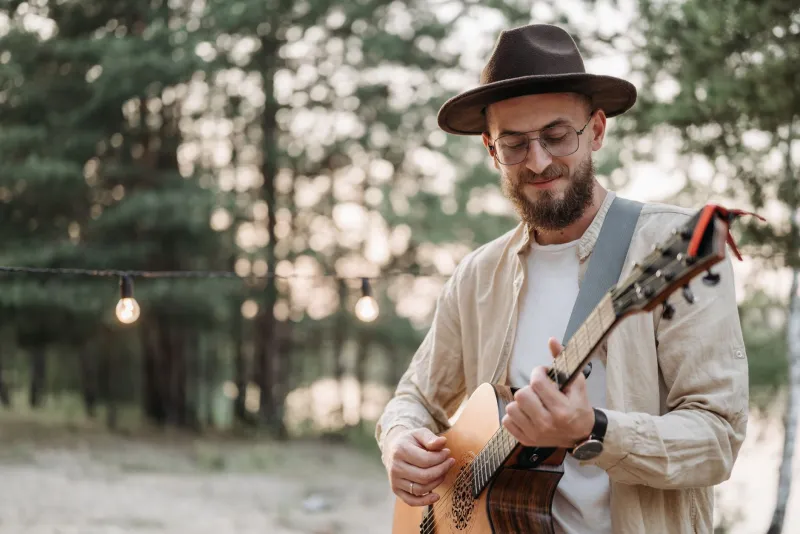
I want to tell you about a song I heard a few years ago. It was recorded on what sounded like a phone, in a room with a noisy HVAC system, by someone who clearly hadn't planned to share it. The vocals cracked in two places. The guitar went slightly out of tune toward the end. And it was one of the most affecting pieces of music I'd encountered in years.
Not in spite of those things. Because of them.
There's a Japanese concept called wabi-sabi—an aesthetic philosophy that finds beauty in impermanence, incompleteness, and imperfection. A cracked tea bowl repaired with gold. A weathered wooden fence. The specific beauty of things that have been used and worn and lived in. Western creative culture has spent decades running in the opposite direction, chasing polish and production value and the kind of flawless presentation that signals professionalism.
And right now, audiences are quietly, collectively exhausted by it.
The Exhaustion Is Real
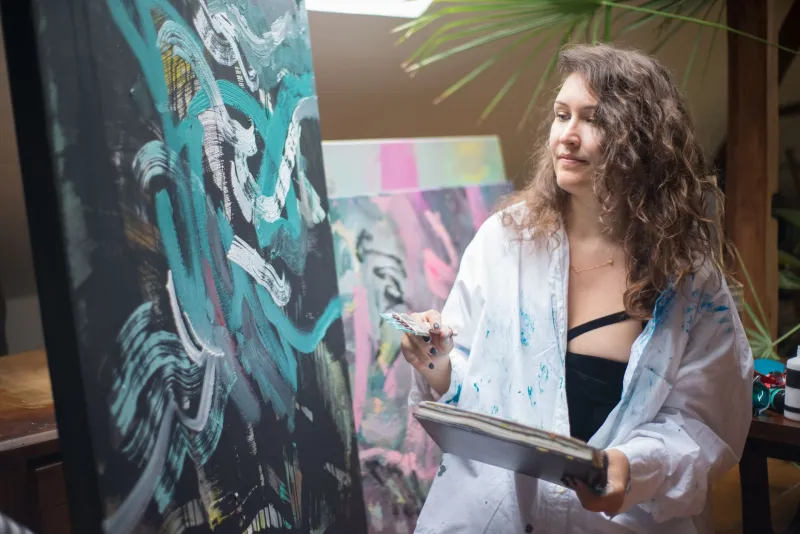
Spend any time on social media and you'll notice something: the content that tends to stop people mid-scroll isn't the most produced. It's the most honest. The musician who posts a video of themselves crying while playing a song they wrote about their dad. The visual artist who shares the painting they almost threw away. The writer who admits they have no idea what they're doing.
This isn't a coincidence or a trend. It's a response to years of curated perfection that has left people feeling more isolated, not less. When everything you see from other creators looks effortless and finished, your own messy, uncertain creative process starts to feel like a personal failure. The gap between what you make and what you see being celebrated feels insurmountable.
Vulnerable art closes that gap. Not by lowering standards, but by expanding what we recognize as meaningful.
What Vulnerability Actually Means in Creative Work
Here's where I want to push back on a misunderstanding that comes up a lot. Vulnerability in art doesn't mean trauma-dumping. It doesn't mean sharing everything, or performing pain for engagement, or confessional content as a marketing strategy. That version of "authenticity" is just a different kind of performance, and audiences can smell it.
Real vulnerability in creative work means making something that genuinely costs you something. It means writing the song about the thing you've been avoiding. It means painting the image that feels too personal to share and then sharing it anyway. It means telling the story that doesn't have a clean ending because it hasn't ended yet.
The specificity matters enormously here. Vague emotional gestures—songs about "pain" or "loss" in the abstract—land differently than specific, particular, almost uncomfortably detailed accounts of real experience. The specific detail is what makes a listener feel seen. That's the moment when someone hears a song and thinks how did you know that about me—even though the song is entirely about someone else's life.
National recording artist Phoebe Bridgers has talked about this in interviews—how the most personal songs she's written, the ones she was most afraid to release, are consistently the ones that resonate most deeply with listeners. The specificity of her grief, her relationships, her interior life, becomes somehow universal. That's not a paradox. That's how emotional honesty works.
The Perfectionism Problem
Perfectionism is the enemy of authentic creative work, and it's worth saying that plainly.
I'm not talking about the pursuit of craft—working on your technique, studying your influences, trying to get better at the actual mechanics of what you do. That's not perfectionism; that's dedication. The distinction matters.
Perfectionism is the voice that says the work isn't ready to be seen yet. That you need one more revision, one more take, one more year of practice before you're qualified to share what you're making. Perfectionism is, at its core, a fear of judgment dressed up as high standards.
And what it costs you isn't just time. It costs you the audience that needed to hear what you had to say three years ago. It costs you the creative momentum that comes from finishing things and releasing them into the world. It costs you the feedback—both internal and external—that only comes from actually completing and sharing work.
The artists who build real, lasting connections with audiences are almost never the ones who waited until everything was perfect. They're the ones who shipped work that was good enough and honest enough, and then kept going.
Failure as Material
One of the most underutilized creative resources any artist has is their own failures. Not the romanticized version of failure—the "I struggled but then I overcame it" narrative that wraps everything up neatly—but actual, unresolved, ongoing failure. The relationship that didn't work out and you still don't fully understand why. The career path that didn't pan out. The version of yourself you were trying to become and couldn't.
This material is rich precisely because it's unresolved. Audiences don't connect with stories that are too tidy. They connect with stories that are still in process, because their own lives are still in process. When a creator is willing to say "I don't have this figured out," it creates space for the audience to feel less alone in their own uncertainty.
This is the argument for honest storytelling that goes beyond aesthetics. It's not just that vulnerable art is more interesting or more beautiful, though it often is. It's that it performs a genuinely important social function. It says: you are not the only one. In a cultural moment where isolation and anxiety are at historic highs, that message is not small.
A Note to Artists Who Are Scared
If you're sitting on work that feels too personal to share, I'm not going to tell you that sharing it will definitely go well. It might not. Not everyone will get it. Some people will misread it. A few might respond badly.
But here's what I believe, having watched creative people navigate this for a long time: the work you're most afraid to share is usually the work that most needs to exist. The fear is a signal, not a stop sign.
The cracks in the tea bowl, repaired with gold, are the most beautiful part. The cracked vocal, the imperfect ending, the story you weren't sure you should tell—these are the things that make your work yours. They're the things no algorithm can replicate and no trend can manufacture.
Make the thing. Share the thing. Let it be imperfect.
That's where the real connection lives.