Alone in the Room Where It Happens: The Hidden Gift of Creative Solitude
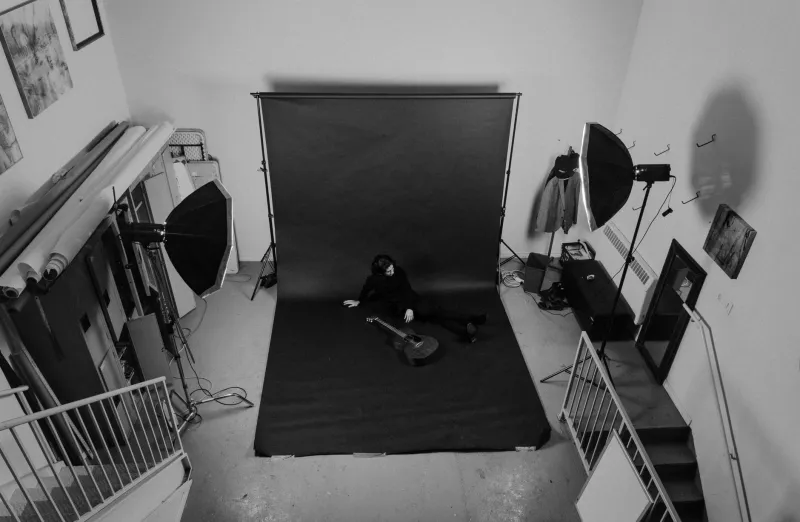
There's a particular kind of quiet that settles in when you close the door, pick up a guitar, open a blank document, or pull out a sketchbook. It's not the peaceful quiet of a Sunday morning. It's more loaded than that — a silence that asks something of you. And if you've spent any real time trying to make something from nothing, you know exactly what I mean.
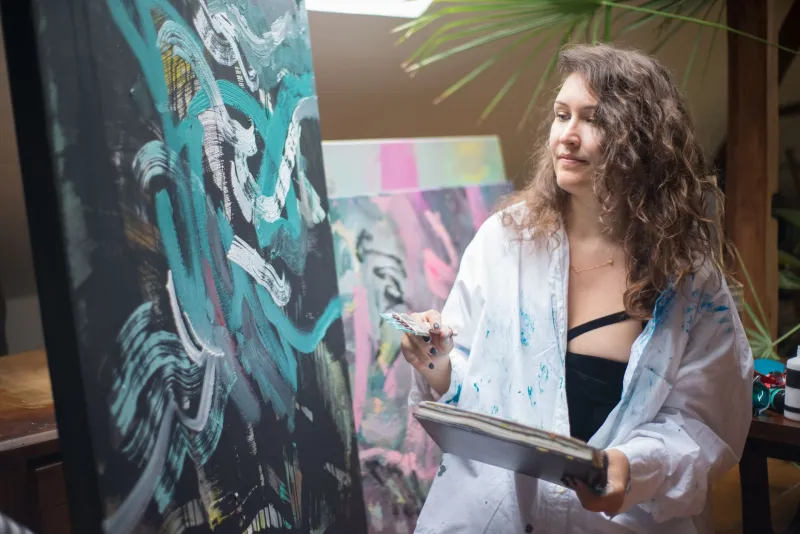
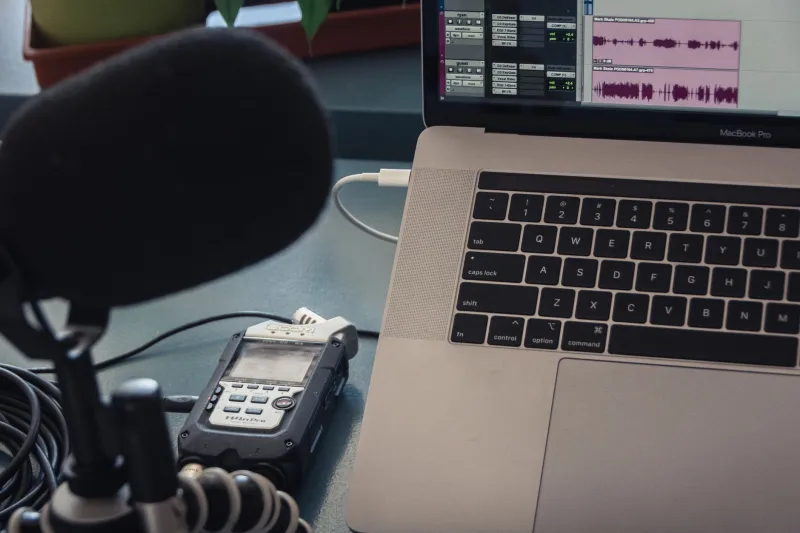
Creative solitude is one of those things nobody really talks about honestly. We celebrate the finished album, the gallery opening, the published novel. We rarely talk about the Tuesday afternoon when you sat alone for four hours and produced exactly three lines you didn't hate. Or the way the walls of your home studio can start to feel like they're slowly moving inward.
But here's the paradox: that isolation — as uncomfortable as it gets — might be the very thing making your work worth anything at all.
Why the Best Stuff Comes Out When Nobody's Watching
There's a reason artists throughout history have retreated to cabins, monasteries, and spare bedrooms to do their most meaningful work. It's not just romanticism. When you remove the audience — even the imagined one — something shifts in how you create.
Neuroscientists who study creative flow states describe a phenomenon where the prefrontal cortex, the part of the brain responsible for self-monitoring and social judgment, essentially quiets down. Researchers call this transient hypofrontality, and it's been linked to the kind of deep, absorbed creative states where time disappears and the work just moves. The catch? Social pressure, even subtle awareness of being observed, can interrupt this state before it ever gets started.
In other words, the internal critic that sounds suspiciously like every person whose opinion you care about? It thrives on company. Solitude starves it out.
Jamila, an independent singer-songwriter based in Nashville who's been releasing music independently for six years, put it this way: "When I write with other people in the room — even people I trust — I'm always half-performing. I'm watching their faces. Alone, I'll try something embarrassing. And the embarrassing stuff is usually where the real song is hiding."
That tracks. The willingness to be genuinely weird, vulnerable, or technically imperfect — without an audience to perform competence for — is what opens the door to authenticity. And authenticity, more than production value or technical skill, is what makes listeners feel like a song was written specifically for them.
The Weight Nobody Warns You About
Of course, the other side of this is real and it deserves honest airtime.
Creative solitude isn't just peaceful afternoons with good coffee. For a lot of independent artists — especially those working without label support, without a band, without a manager — it can slide into genuine isolation. And that's a different animal entirely.
Marco, a visual artist and occasional musician out of Portland, Oregon, described what his third year of full-time independent creative work felt like: "I was producing the best stuff of my life, but I had also kind of stopped talking to people. I'd go days without a real conversation. I told myself it was the work. But eventually I wasn't sure if I was protecting my creative process or just hiding."
This is the part that gets glossed over in the "starving artist works in beautiful isolation" narrative. Chronic loneliness — the kind that goes beyond productive solitude — has documented effects on mental and physical health. It disrupts sleep, increases anxiety, and ironically, can eventually kill creative output altogether. The well runs dry when there's nothing coming in.
The line between solitude-as-fuel and isolation-as-damage isn't always obvious from the inside. That's worth sitting with.
Protecting the Space Without Disappearing Into It
So how do you guard the quiet where real work happens without losing yourself in the process? A few things seem to genuinely help.
Schedule re-entry like you schedule the work itself. If you block three hours for writing, block thirty minutes afterward for something social — even a phone call, a walk in a neighborhood with other humans in it, a coffee shop where you don't have to talk to anyone but you're around people. Think of it as decompression, not distraction.
Find your people, but protect your process. Online communities for independent musicians and artists — subreddits, Discord servers, local open mics — can offer the sense of being understood without requiring you to compromise the solitary conditions where you actually create. The community doesn't have to be in the room with you while you work.
Be honest with yourself about the difference between creative solitude and avoidance. Are you staying in because the work needs it, or because going out feels hard? Both are real. Only one of them is serving the art.
Let the solitude inform the work, not just enable it. Some of the most resonant songs, stories, and paintings are specifically about being alone — the texture of it, the freedom and the ache of it. If you're spending time in that space, let it show up in what you make. That's not navel-gazing. That's using your material.
The Bird That Sings Alone
There's something worth noting in the natural world — and yes, I'll lean into the name here for a second. A lot of birds sing most freely when they're not in direct competition or collaboration. The song is clearest when it's just them, working out something instinctive, unedited, and true.
That's not a metaphor for total withdrawal from the world. Birds need to be heard. The song is always, ultimately, for someone. But the making of it? That often happens in the branches, early, before the rest of the noise starts up.
Your creative solitude is like that. It's not a failure to connect — it's where you figure out what you actually have to say before you go out and say it.
The loneliness is real. The gift inside it is just as real. The trick is learning to hold both without letting either one take over completely.
That balance doesn't come with a manual. But most of the things worth making don't.