The Power of the Locked Drawer: Why Keeping Songs Secret Might Be the Smartest Move You Make

There's a particular kind of pressure that comes with being a working musician in 2024. You're expected to release constantly — singles every six weeks, covers to keep the algorithm happy, demos on SoundCloud, rough cuts on TikTok. The content machine doesn't sleep, and if you're not feeding it, you start to feel invisible.
But here's a question worth sitting with for a minute: what if some of your best recordings were never meant to be heard?
That's not a defeatist thought. It's actually a liberating one. A growing number of artists — from bedroom producers to seasoned touring musicians — are making deliberate, sometimes radical choices about what stays in the vault. And they'll tell you that restraint has become one of their most powerful creative tools.
The Myth That Everything Worth Making Should Be Shared
We've been sold a version of creative success that equates output with value. More releases equal more visibility equal more relevance. And look, there's some truth to that math — especially early in a career when you're building an audience from scratch.
But somewhere along the way, the logic flipped. Instead of releasing music because it was ready, artists started releasing music just to stay in the conversation. The result? A lot of rushed work that doesn't represent what the artist is actually capable of.
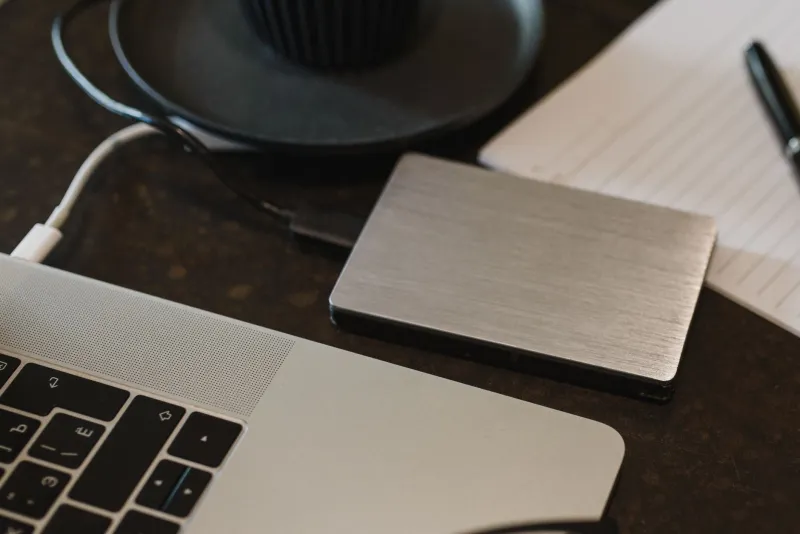
Jamie Reyes, a singer-songwriter based out of Nashville who's been recording independently for about eight years, put it simply: "I have two hard drives full of stuff I'm genuinely proud of that I'll probably never put out. And that used to stress me out. Now it's kind of my secret weapon."
For Reyes, the vault isn't a graveyard — it's a reference library. Returning to old recordings reminds her of where she was emotionally, technically, and creatively at different points in her life. Some of those songs inform new work in ways a listener would never trace. "It's like private research," she said. "Nobody needs to see the research."
Perfectionism Isn't Always the Enemy
The creative world has done a lot of work in recent years to dismantle the myth of perfectionism — and rightfully so. Waiting for something to be perfect before sharing it is often just fear wearing a nice coat.
But there's a version of perfectionism that's actually healthy: the kind that comes from knowing your own standards well enough to recognize when something doesn't clear the bar. Not because it's bad, but because it doesn't fit the story you're trying to tell right now.
Marco Tillman, a multi-instrumentalist who records under the name Pale Copper, described sitting on a full album's worth of material for nearly three years. "It's not that the songs are broken. They're just not the right thing to say right now. Maybe in five years they'll make sense. Maybe they'll never make sense publicly. Either way, I made them, and that matters."
That distinction — between the act of creation and the act of publishing — is one that a lot of artists lose in the noise. The work has value even if it never finds an audience. The process of making it shaped who you are as an artist. That's real, whether or not Spotify ever indexes it.
Timing Is a Creative Decision
There's also a purely strategic argument for keeping recordings in the vault, and it has nothing to do with perfectionism or emotion. It's about timing.
Releasing the right song at the wrong moment can actually hurt it. Think about the artists who dropped deeply personal, slow-burn records in the middle of a cultural moment that demanded something completely different. The music wasn't wrong — the timing was off.
Holding work back gives you options. It means that when the moment finally arrives — when the cultural conversation catches up to what you were already saying — you have something ready that doesn't feel rushed or reactive. You've had years to sit with it, refine it in your head even if not in the mix, and decide with clarity whether it still represents you.
For listeners, there's something almost mythological about unreleased material. The vault creates mystique. It suggests depth — that what you're showing the world is a curated selection, not the whole messy everything. That curation builds trust.
The Paradox of Constant Accessibility
Here's the uncomfortable truth about the streaming era: when everything is available all the time, nothing feels particularly precious. Scarcity — real or perceived — still drives emotional investment.
Think about the cultural weight carried by artists whose unreleased archives have taken on legendary status. Prince's vault. The Beach Boys' Smile sessions. Tupac's posthumous releases. Part of what makes those recordings feel significant is the fact that they existed in shadow for so long. They weren't just music — they were secrets.
You don't have to be Prince to understand the principle. When you release everything, you're telling your audience that the filter is off. When you hold things back thoughtfully, you're telling them that what they're hearing has been chosen. That's a very different relationship.
What Stays in the Drawer and Why
So how do working musicians actually make these calls? There's no formula, but a few patterns show up consistently.
Some songs stay hidden because they're too personal — they were made for the making, not for sharing. Grief songs, anger songs, songs written at 2 a.m. after a bad phone call. They served their purpose in the moment.
Others stay back because they represent a version of the artist that no longer feels accurate. Not embarrassing, just… past. Putting them out would be like wearing a jacket from ten years ago to an important meeting. It technically fits, but it doesn't say what you want to say.
And some songs wait simply because the artist hasn't figured out the right context yet. They need a home — a project, a moment, a collaborator — that hasn't materialized. The vault holds them until it does.
Keeping the Secret
If you've got recordings sitting on a hard drive right now that you're not sure what to do with, here's a thought: maybe the question isn't when you'll release them. Maybe the question is whether you need to release them at all.
That's a genuinely freeing reframe. It takes the pressure off the work and puts the power back in your hands. You made something. It exists. It shaped you. That's enough — and if someday it becomes more than enough, you'll know.
The locked drawer isn't a sign of failure. Sometimes it's the most honest creative statement you can make.